Food Safety Rules Every Home Food Seller in Singapore Must Follow
You may not need an SFA licence to sell food from home, but you still have to keep it safe. Here are the rules that apply, from catering limits to allergen labels.
"No SFA licence needed" is probably the first thing most home-based food sellers in Singapore learn. What can be less obvious is everything that comes after it. Home-based food businesses in Singapore currently do not need an SFA food retail licence to operate. But that does not mean they are exempt from food safety laws or requirements. Home-based food businesses must still ensure that the food they prepare and sell is safe and suitable for consumption, and SFA can take enforcement action when food safety requirements are not met. This guide breaks down the key requirements for home-based food sellers: what you can and cannot sell, how to handle food safely in a home kitchen, what you need to know about food labelling and allergens, and whether taking the WSQ Food Safety Course Level 1 is worthwhile.
You Don't Need a Licence, But You're Still Covered by Food Law
SFA does not require home-based food businesses to hold an SFA food retail licence. However, these businesses are still required to comply with Singapore's food safety laws and ensure that the food they sell is safe and suitable for consumption. In other words, no licence doesn’t mean no rules. SFA can take action against home-based food businesses that do not comply with food safety requirements. This can include measures such as requiring unsafe food to be recalled. If you're also wondering whether your home itself is allowed to host a food business, that's a separate issue from food safety. HDB and URA (Urban Redevelopment Authority) have their own requirements under the Home-Based Business Scheme, depending on whether you're operating from an HDB flat or a private property.
The Seven Rules SFA Applies to Home-Based Food Sellers
SFA lists seven specific requirements for home-based food businesses. They focus mainly on what you can sell, who you can sell to, and how you source and handle food.
- Follow Singapore’s safety law. Home-based sellers are not exempt from the Sale of Food Act or the Environmental Public Health Act just because they don't hold a licence.
- Do not offer catering. Home-based food businesses cannot provide catering services, as catering is a licensed food business activity.
- Do not sell to licensed food retailers. Hawker stalls, cafes, restaurants, coffee shops, canteens, and similar licensed food establishments cannot source food from home-based food businesses. Licensed food businesses must obtain food from their own licensed premises or other licensed food businesses.
- Do not prepare food at home for sale at temporary fairs. Home-based food businesses cannot prepare food at home for sale at temporary fairs or sell food to other stallholders there.
- Do not sell ready-to-eat raw seafood. This includes products such as sashimi, raw oysters, and marinated cockles.
- Source ingredients from permitted sources. Ingredients should be obtained from licensed or approved sources rather than from other home-based food businesses or personal supplies brought back from overseas.
- Make sure everything you sell is safe to eat. This is the overarching requirement, and it is where proper food handling and hygiene practices become especially important. The restriction on catering is particularly important for sellers whose businesses are growing. A home-based food business may receive enquiries for office lunches, parties, or other group events, but catering is a separate licensed activity. If your business is regularly receiving larger-volume or event-based orders, it may be time to consider moving to licensed premises.
What Safe Handling Looks Like in a Home Kitchen
Personal Hygiene
Wash your hands thoroughly with soap and water after handling raw food, using the toilet, handling waste, and before handling ready-to-eat food. Use clean utensils or gloves when handling ready-to-eat food, and avoid unnecessary contact with food using bare hands. If you are unwell, avoid preparing food for sale until you have recovered.
Temperature Control
Keep food out of the temperature range where bacteria can multiply quickly. As a practical rule, keep hot food above 60°C and cold food below 5°C. Avoid preparing food unnecessarily far in advance. For example, preparing a large batch the night before and leaving it at room temperature until the following day creates unnecessary food-safety risks.
Storage and Thawing
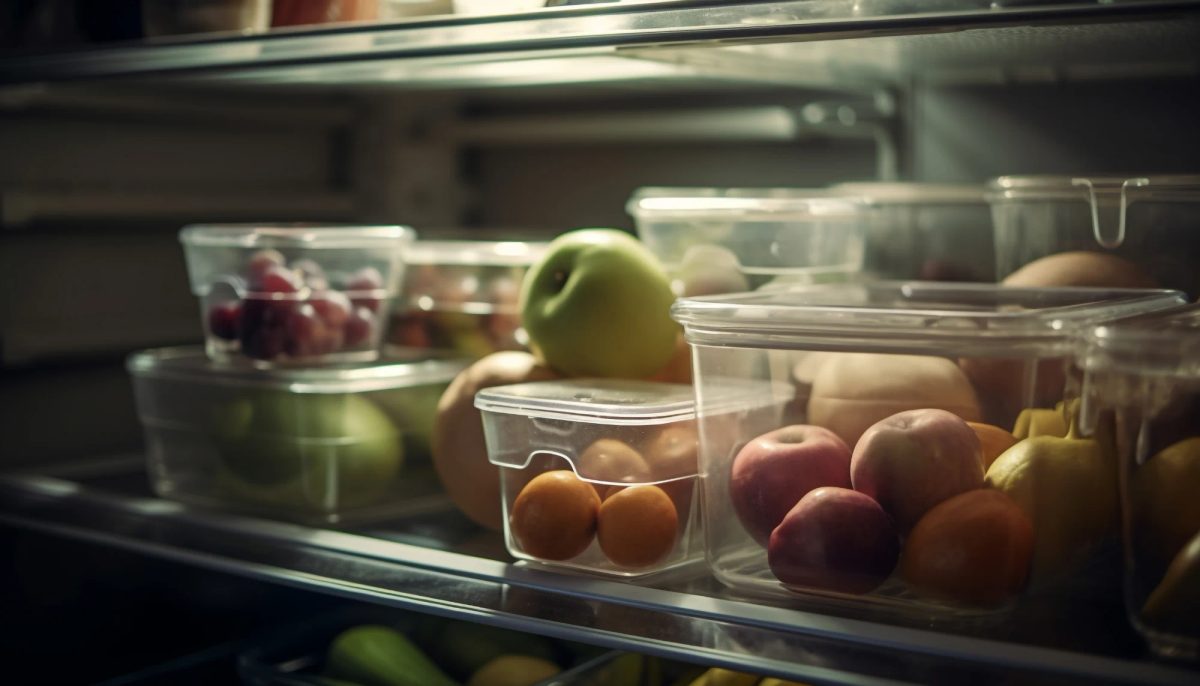
Store food in clean, covered containers. Keep raw ingredients separate from cooked and ready-to-eat food, and arrange items in the refrigerator so that raw food does not contaminate food that is ready to eat. Thaw food safely in the refrigerator, microwave, or using another appropriate method. Avoid leaving food to thaw at room temperature for extended periods.
The Kitchen Itself
Use separate chopping boards and utensils for raw and cooked food where possible. Clean preparation surfaces and refrigerators regularly, and take steps to prevent pests from entering food preparation areas. Pets also need to be kept away from food preparation areas. If you have a cat or dog at home, make sure your food preparation setup prevents them from coming into contact with the kitchen and food.
Why These Rules Exist
Food safety rules are not simply administrative requirements. Poor food handling can lead to foodborne illness, which is why SFA places emphasis on hygiene, temperature control, storage, and contamination prevention. A joint study by SFA's National Centre for Food Science and the Ministry of Health examined 171 gastroenteritis outbreaks investigated in Singapore between January 2018 and December 2021. Among the foodborne outbreaks where the source was identified, food prepared by caterers accounted for roughly 42%, making catering the largest identified source in that study. For a home-based seller, the lesson is straightforward: preparing food for larger groups and handling larger volumes can introduce additional food-safety risks. This is one reason catering is treated differently from ordinary small-scale home-based food sales.
Labelling and Allergens
If you sell pre-packed food, Singapore's Food Regulations require the product to comply with food-labelling requirements. This includes providing a statement of ingredients, with ingredients and additives listed in descending order by weight. Certain ingredients known to cause hypersensitivity must also be declared. The declarable allergens include:
- Cereals containing gluten
- Crustaceans
- Eggs
- Fish
- Peanuts
- Soybeans
- Milk, including lactose
- Tree nuts
- Sulphites above the specified regulatory threshold For home-based sellers, clear allergen information is also an important way to communicate with customers. If a customer has a food allergy, they should be able to understand what is in a product before placing an order. It's also important to be precise about claims you make about your products. For example, using halal-certified ingredients is not necessarily the same as having the appropriate halal certification for your business or product. If you plan to make halal claims, make sure you understand the distinction and the relevant requirements.
Should You Take the WSQ Food Safety Course?
SFA encourages home-based food businesses to enrol in the WSQ Food Safety Course Level 1, although it is not currently mandatory for home-based food businesses. The course provides practical knowledge about safe food handling and hygiene. The current training options include:
- WSQ Food Safety Course Level 1: 6 hours of training + 1.5-hour assessment
- WSQ Food Safety Course Level 1 Refresher: 3 hours of training + 1.5-hour assessment
- Assessment-Only Pathway: 1.5-hour assessment without the training component After successfully completing the assessment, participants receive a Statement of Attainment from SkillsFuture Singapore. Training and certification must be completed through an SSG-approved training provider. The certification also comes with retraining requirements. The first retraining must be completed within five years of initially passing WSQ FSC Level 1, while subsequent retraining is required within 10 years of the previous retraining. If you've seen older references to the "Basic Food Hygiene Course", don't be surprised. SFA still recognises the earlier certification name as part of the historical naming of the current WSQ Food Safety Course Level 1. For a home-based seller, taking the course is not a legal requirement at this stage. However, it can give you a stronger foundation in food safety and make the transition easier if you eventually move into a licensed food business.
When You've Outgrown the Home Kitchen
There may come a point when your home kitchen is no longer suitable for the scale of your business. Some practical signs include receiving regular requests for catering, getting enquiries from retailers that want to stock your products, or reaching a volume where you need to prepare food significantly further in advance to keep up with orders. These situations do not necessarily mean you have done anything wrong. They may simply indicate that your business is growing beyond what a small-scale home setup is designed to handle. When that happens, moving to a licensed commercial kitchen or another appropriate licensed premises can give you more room to scale while meeting the requirements that apply to larger food businesses.
Keeping It Together
Food safety is not only about recipes and ingredients. For a home-based seller, good organisation matters too. Keeping track of orders, pickup times, preparation schedules, and customer requirements can help you avoid mistakes such as preparing food too early, overlooking an allergy request, or leaving food unattended for too long. A simple system for managing orders and customer information can make your day-to-day operations easier while helping you stay on top of the food-safety practices that matter. If you want to see how other home-based sellers in Singapore operate, you can also browse the Belii seller directory to discover small businesses selling food and other products from home. Food safety requirements may seem like another thing to manage when you're already juggling orders, customers, and preparation. But getting the basics right from the beginning gives your home-based food business a stronger foundation as it grows.
Latest articles
Start selling online today
Set up your shop in minutes, share one link and take orders straight away.
Create your shop