How to Start a Small Clothing Business From Home in Singapore
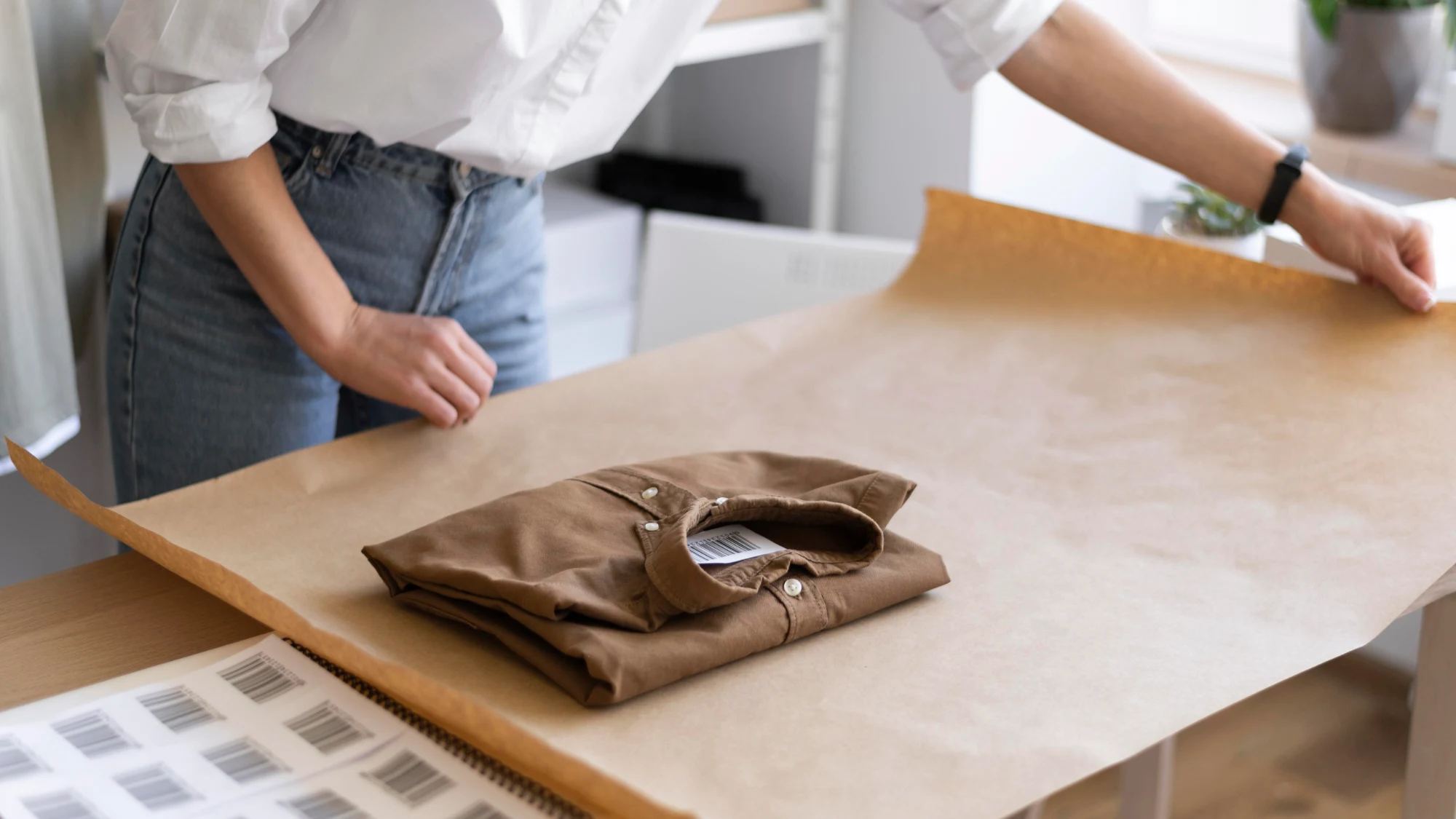
Your first clothing order could be packed on the dining table this month. Here is how to start a small clothing business from home in Singapore, step by step.
To start a small clothing business from home in Singapore, choose a niche, decide if you want to use pre-order or ready stock, find a supplier or make the clothes yourself, set your prices, register your business, and sell through a single store link. You do not need a physical shop or a large budget. Many people start with just a few designs, a phone for taking photos, and a small batch of stock. This guide explains each step in order, including the costs, rules, and common mistakes that matter for home-based sellers in Singapore.
How to Start a Small Clothing Business From Home in Seven Steps
- Pick a niche. A focused range, such as kidswear or modest wear, is easier to market than "clothes for everyone".
- Choose your stock model. Decide between pre-order and ready stock before you spend anything on inventory.
- Find a supplier, or make the pieces yourself. Compare a few suppliers or tailors and order samples first.
- Set your prices. Work out the full cost of each piece, then add your margin.
- Register the business. A sole proprietorship is the usual starting point for a one-person seller.
- Set up one store link. Put your products, prices and payment details in one place that customers can open from your Instagram or WhatsApp bio.
- Launch and sell. Start with a small drop, collect feedback and reorder only what sells. The sections below cover each step in more detail.
Can You Run a Clothing Business From Home in Singapore?
Yes, in most cases. A small online clothing business is a common home-based business, and most of the work (photos, packing, messaging customers) happens comfortably at a desk or dining table. If you live in an HDB flat, the rules on home-based businesses still apply to you, and they cover things like customer visits and nuisance. One limit is worth knowing early. Clothing takes up more space than it seems to, and large amounts of stock can crowd a flat quickly. If you plan to hold hundreds of pieces, bulk cartons, or a rack of ready stock, you may outgrow home storage sooner than you expect. A pre-order model or a small first batch keeps this under control.
What Clothing Should You Sell?
Your first choice will affect everything else, from picking suppliers to setting prices. Begin by deciding how you will get the clothes, then narrow down what you want to sell.
Make, Source, or Resell
There are three common routes.
- Make it yourself. You design and sew, or hire a tailor to follow your pattern. You control quality and can stand out, but your time is the limit on how much you can sell.
- Source it. You work with a manufacturer or tailor to produce your own designs, usually with a minimum order. This gives you a brand of your own with less sewing time.
- Resell. You buy ready-made pieces from a supplier or wholesaler and sell them on. It is the quickest way to start, though it is harder to stand out, and margins are often thinner. If you are not sure yet, try reselling a small, carefully chosen batch first. This is a low-risk way to see if there is demand before you invest in making your own designs.
Where to Find Clothing Suppliers
There are three main places to look.
Local suppliers and wholesalers
Buying locally means shorter delivery times, easier exchanges and the chance to see fabric in person. Prices per piece can be higher than overseas, but smaller minimum orders suit a new seller.
Overseas suppliers
Manufacturers and wholesalers in neighbouring countries and further afield often offer lower prices and wider choice, usually with higher minimum orders and longer waits. Order samples first, and check the fabric, stitching and sizing before you place a bulk order.
Tailors and small workshops
If you have your own designs, a tailor can make them in small runs. Share a clear sketch or pattern, agree on the price per piece, and ask for a sample before the full batch. If you import stock, check the rules before you order. Singapore does not charge customs duty on most goods, and clothing is not one of the usual dutiable categories (those are mainly liquor, tobacco, motor vehicles and petroleum products). Goods bought for business purposes still attract GST at 9% on import, and travellers bringing in goods for commercial use do not get the personal GST relief. Commercial imports generally need to be declared through Singapore Customs. Confirm the classification of your goods and current requirements with Singapore Customs before you ship. You also do not need to charge GST to your customers unless your yearly sales go over S$1 million, which is much more than most home sellers make when starting out.
Pre-Order or Ready Stock for Clothing?
This decision affects your cash flow, storage space, and how quickly customers receive their orders. Pre-order means customers pay before you buy or make the stock. You only order what has been sold, so there is little cash tied up and nothing left in the cupboard. The trade-off is waiting time. Customers may need to wait a few weeks, so set clear dates and update them honestly. Ready stock means you buy first and hold the pieces at home. Orders go out quickly, which customers like, but you carry the risk of unsold sizes and colours. A good middle path for a new seller is a small ready stock batch of your best-guess bestsellers, plus pre-orders for everything else.
Size Charts, Photos and Product Descriptions
Online buyers cannot try clothes on, so your listing has to do that job. Most returns and complaints come from poor sizing information.
Size charts
Give measurements in centimetres for each size, such as bust, waist, hip and length, and say which part of the garment you measured. Add a line on how the item fits, for example, loose, true to size or snug. If a model is wearing it, state her height and the size she has on.
Photos
Use natural daylight, a plain background and a steamed or ironed garment. Show the front, back, a close-up of the fabric and one shot on a person. Take photos in the same style across the shop so it looks consistent.
Product descriptions
Tell customers what the item is made of, how it feels, how to wash it, and what it matches with. Be clear about stretch, sheerness, and colour differences on screens. Short, honest descriptions build more trust than long, fancy ones.
Returns and Exchange Policy for a Small Seller
Write your policy down before your first sale and put it where customers can see it before they pay. In Singapore, there is no blanket rule that every online seller must accept returns for a change of mind, so your policy sets what customers can expect. Faulty or wrongly sent items are treated differently, and you should sort those out promptly. Most small sellers cover these points:
- Which items can be exchanged, and which cannot (for example, pre-order, custom or pre-loved pieces)
- How many days customers have to contact you after delivery
Whether items must be unworn, unwashed and with tags attached
Who pays for delivery on an exchange
What happens if you send the wrong size or a damaged piece
Offering exchanges (not refunds) for sizing issues is a common way to protect your profits while still being fair. Whatever policy you choose, apply it consistently and save screenshots of customer chats.
How to Register Your Clothing Business
If you plan to sell regularly and want to make a profit, register your business instead of selling informally. A sole proprietorship is the easiest option for a solo home seller, and you can register online. You do not usually need a special licence just to sell clothing online. Rules can differ for specific products, so check the requirements if you plan to sell anything beyond ordinary garments.
Where to Sell Clothes Online From Home
Most home sellers use a mix of channels.
- Instagram and TikTok. Good for showing outfits, running drops and building a following.
- WhatsApp. Many customers prefer to ask questions and confirm sizes by message.
- Marketplaces. Carousell, Shopee and Lazada bring ready-made traffic, though fees apply and customers compare prices easily.
- Your own store link. A storefront on Belii gives you one link for your bio, with your products, prices and ordering details in one place, so customers do not have to scroll through chats to find what you sell. No matter which channels you use, make it simple for customers to pay and let them know when to expect their orders.
Common Mistakes New Clothing Sellers Make
- Buying too much stock. The biggest mistake is ordering lots of every size before you know what will sell. Start with a small amount and reorder as needed.
- Skipping the size chart. Without one, you will answer the same sizing questions all day and handle more exchanges.
- Not ordering samples. A photo on a supplier's page does not show you how the fabric feels or how the stitching holds up.
- Pricing without including every cost. Remember to count stock, packaging, delivery, payment fees, and your own time when setting your prices.
- Vague pre-order timelines. Customers are willing to wait if you give them a clear date. They are less forgiving if you do not communicate.
- Having no returns policy. Disputes get messy when nothing was agreed beforehand.
FAQs
Do I Need a Licence to Sell Clothes Online in Singapore?
Not usually. Selling ordinary clothing online does not normally require a special licence, but you should register your business. If you import stock, customs and GST rules apply. Check the current requirements for the products you sell.
Can I Start a Clothing Business From an HDB Flat?
Yes, many people do. Home-based business rules for HDB flats still apply, particularly around visitors, deliveries and noise.
Is It Better to Make Clothes or Resell Them?
It depends on your skills and budget. Reselling is faster and cheaper to begin with. Making your own designs takes longer but gives you something distinctive and better margins. Many sellers start by reselling a small batch to test demand, then move to their own designs once they know what customers want.
Latest articles
Start selling online today
Set up your shop in minutes, share one link and take orders straight away.
Create your shop