
HDB Home-Based Business: Rules for Running a Business From Home
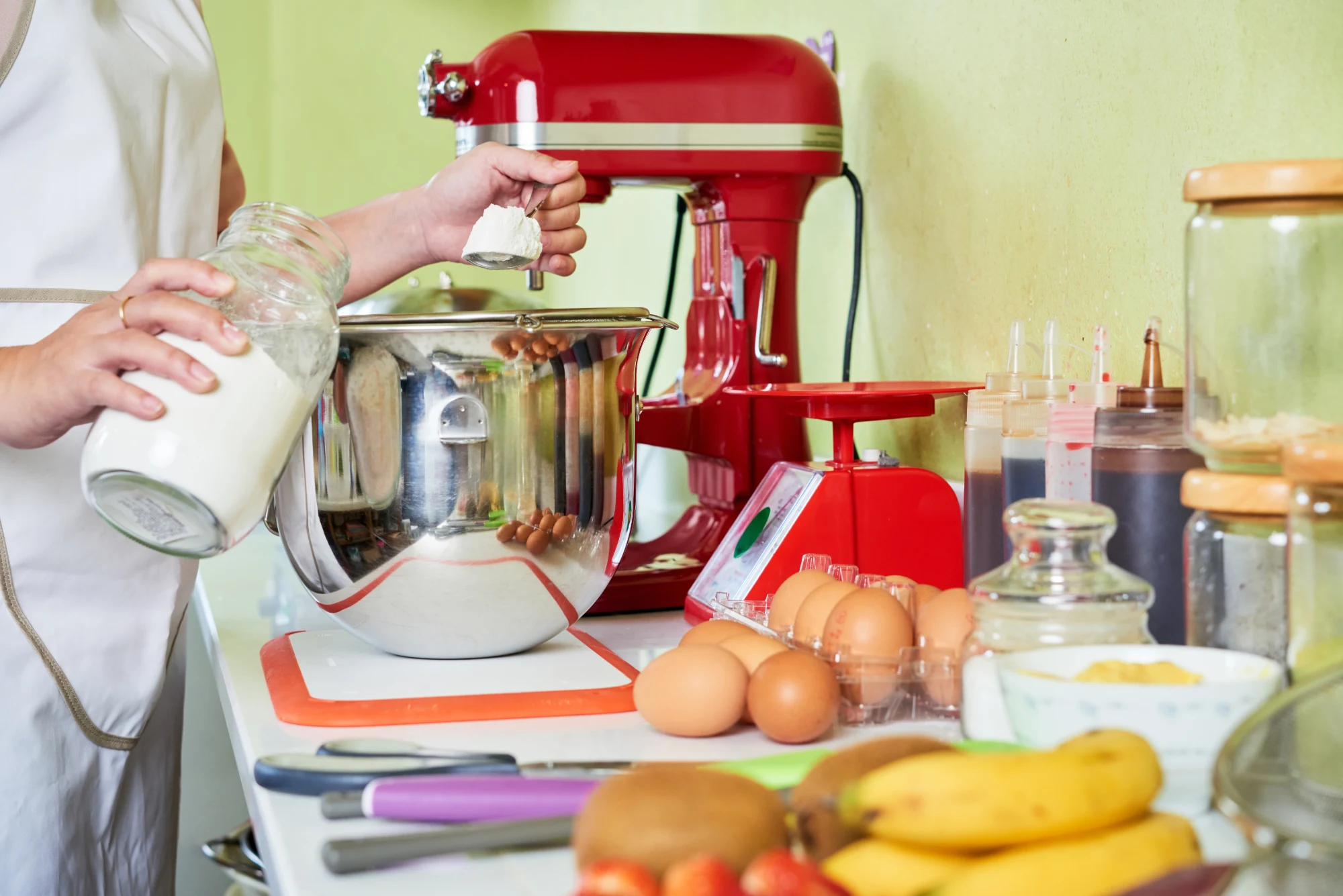
A plain guide to running a business from an HDB flat.
Yes. You can run a small-scale business from your HDB flat under the Home-Based Business Scheme without getting prior approval from HDB.
But “no HDB approval needed” does not mean there are no rules.
Your flat must remain primarily a home, the business must be small-scale, only household members can work there, and the business cannot create nuisance, excessive traffic or other problems for your neighbours. You may also need to register your business with ACRA or comply with other regulations depending on what you do.
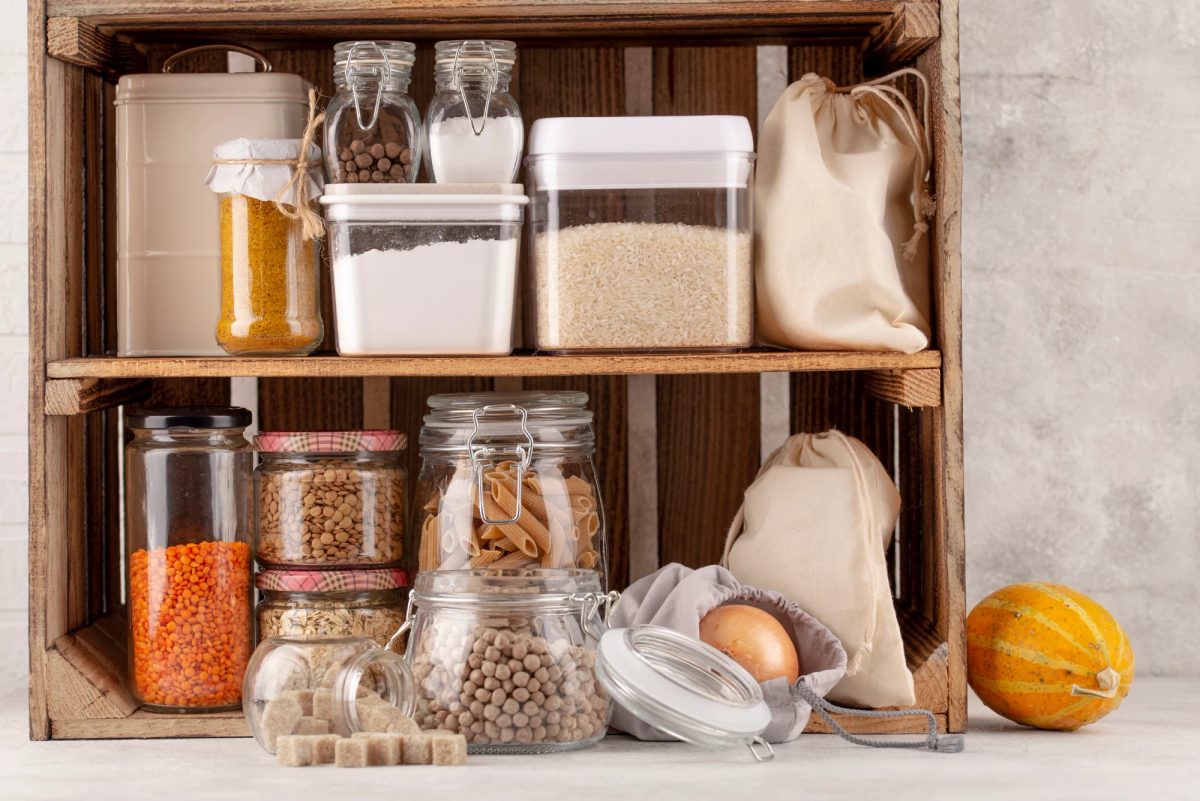
The Home-Based Business Scheme in Plain Terms
The Home-Based Business Scheme allows residents to carry out small-scale business activities from their homes without seeking approval from HDB or URA, provided they meet the scheme's conditions.
Common examples include home baking, small-scale food businesses, tuition, hairdressing, sewing and alterations, and freelance or creative work.
The key is scale. Your flat still needs to function primarily as a home. You cannot effectively turn it into a shop, warehouse, factory or commercial production space.
And there is an important distinction:
The Home-Based Business Scheme is not a business registration or licence. It only determines whether you can carry out qualifying business activities from your home. Depending on your business, you may still need ACRA registration or other licences and approvals.
The HDB Home Business Rules That Actually Matter
Think of the rules in five practical categories.
Your flat must remain a home
Residential use must remain the primary use of the flat. The business should be small-scale and must not take over the home.
A spare room used to store a reasonable amount of stock is one thing. Turning the flat into a full-scale production or distribution centre is another.
Only household members can work there
The Home-Based Business Scheme is for businesses operated by the people who live in the flat. Non-resident employees and third parties cannot work in the flat under the scheme.
So if your partner or another household member helps you pack orders, that can fall within the scheme. Hiring a part-timer who does not live there is different.
If you need non-resident employees to work from your home, you may be looking at the separate Home Office Scheme instead.
No business signage at the flat
You cannot put up advertisements, posters or business signage at your HDB flat.
That does not mean you cannot market your business online. HDB and URA have clarified that home-based businesses can promote themselves online and through other means, provided they do not display physical advertising or signage at the residential premises.
So your Instagram, website, TikTok, WhatsApp catalogue or online shop can do the selling. Your front door should not look like a shopfront.
Don't create nuisance or excessive traffic
Your business must not create problems for the surrounding residents or neighbourhood.
- noise
- smoke
- odour
- litter effluent or waste
- dust
- human traffic
- vehicle traffic
HDB's conditions also prohibit large-scale storage and frequent loading and unloading of goods.
This is where otherwise reasonable home businesses can become a problem.
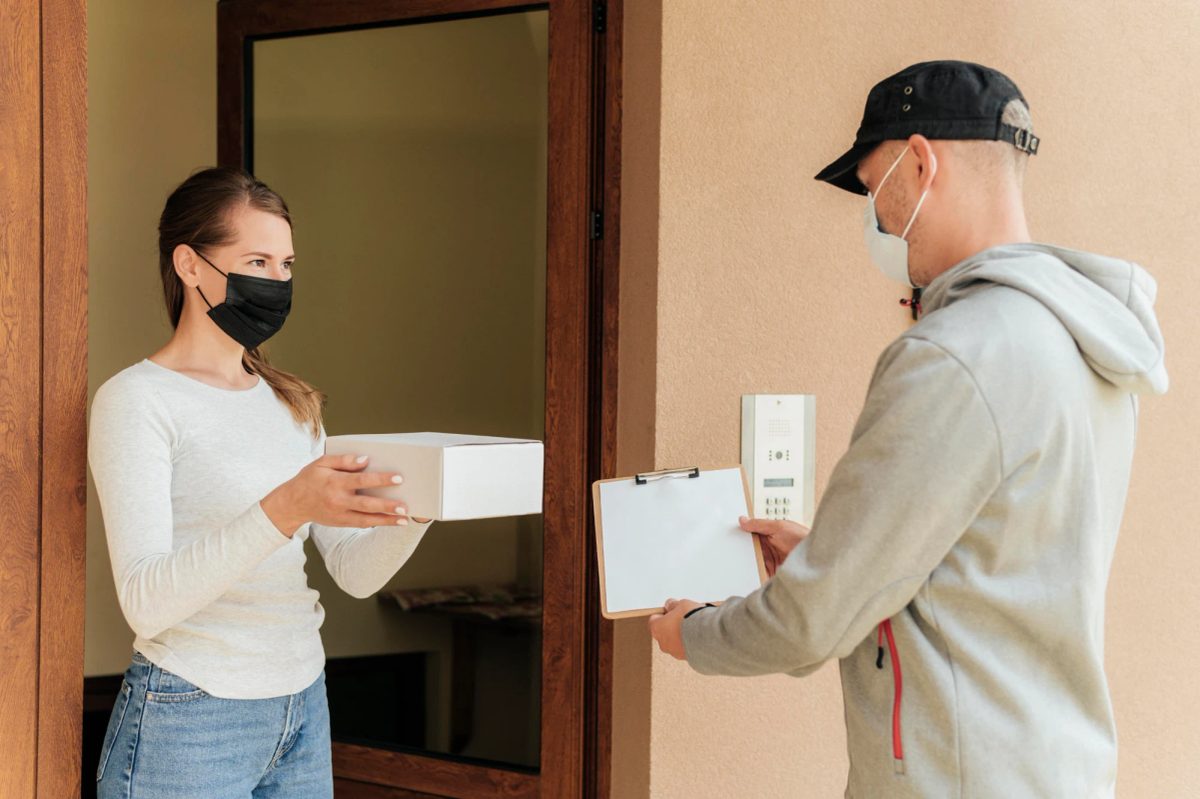
A few customer collections on a Saturday afternoon are very different from a constant stream of visitors, couriers and delivery vehicles throughout the day.
Stick to domestic equipment
Heavy equipment or appliances that are not intended for domestic use are not allowed under the scheme.
This matters particularly for home-based food businesses. A normal household oven or mixer is one thing. Equipment designed for commercial-scale production is another.
If the equipment, electrical load, storage or production volume starts looking like a commercial operation, it is probably time to consider commercial premises.
What Does “Nuisance” Mean in Practice?
The rules sound broad because they need to cover many different types of home businesses. In practice, think about what your neighbours can hear, smell and see.
Smell is an obvious one for home cooks. Strong cooking smells that regularly travel into common areas or neighbouring flats can become a problem.
Noise is another. A mixer, sewing machine or other equipment may seem harmless inside your flat but sound very different through a shared wall early in the morning or late at night.
Traffic matters too. Occasional customer collections are not the same as constant visitors, frequent loading and unloading, or a steady stream of delivery vehicles.
The safest approach is simple: keep the business small, predictable and unobtrusive.
Home-Based Business Scheme vs Home Office Scheme
These two schemes are often confused, but they serve different purposes.
The Home-Based Business Scheme is for small-scale businesses that can actually operate from home. It does not require prior HDB approval, and only household members can work in the flat.
The Home Office Scheme is different. It allows you to use your flat for the administrative functions of a business and permits up to two non-residents, including employees, partners and directors, to work there. You must register for the scheme, and HDB currently charges a non-refundable $20 administrative fee.
The Home Office Scheme is much narrower. The work carried out at home must be administrative in nature. Other business activities have to happen elsewhere, and customers or clients cannot visit the flat. Retail, food catering, restaurants, commercial schools, clinics, beauty and hairdressing services and several other activities are not permitted under the Home Office Scheme.
So if you're a home baker making and selling products from your kitchen, the Home-Based Business Scheme is the relevant scheme. The Home Office Scheme is not simply a way to hire more people into the kitchen.
Latest articles
Start selling online today
Set up your shop in minutes, share one link and take orders straight away.
Create your shop