
How to Write a Simple Home Bakery Business Plan
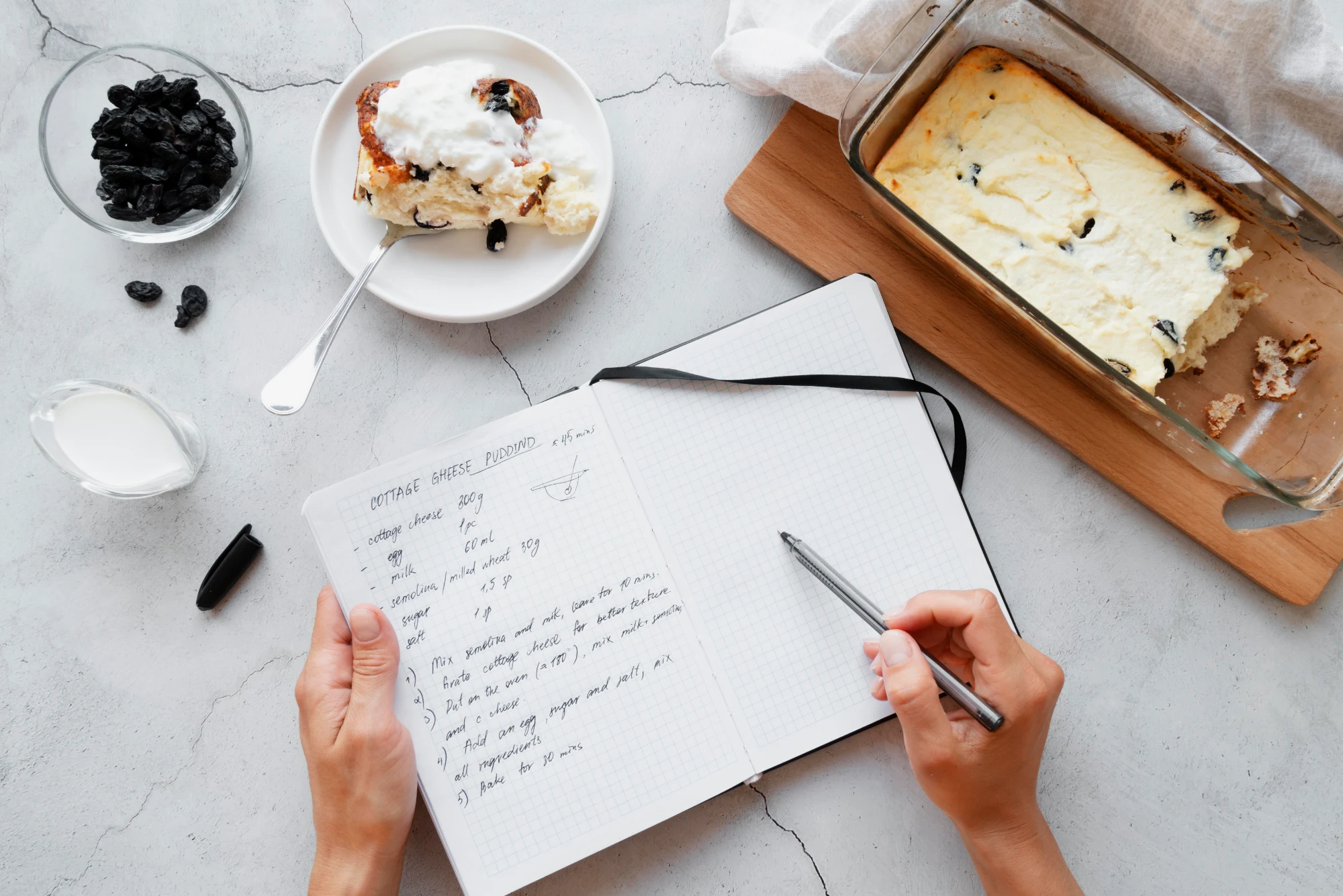
An article to help aspiring home bakers in Singapore create a simple, practical business plan that supports real selling decisions.
A simple business plan template for home bakers in Singapore, covering just the parts that help you price, plan, and sell your bakes.
1. What You're Selling, and Who It's For
Start by defining exactly what you’re selling and who is buying it. “Cakes” is too broad to build a plan around. “Weekend celebration cakes for birthdays and anniversaries,” “daily kuih for office workers,” or “made-to-order cookies for gifting” are specific enough to guide your pricing, schedule, and marketing.
This matters because a birthday cake business operates very differently from a daily kuih business. One usually involves a small number of higher-value orders with a few days’ notice. The other depends on consistent daily production and repeat customers. Knowing which business you’re building shapes every other decision in your plan.
2. Costing Your Ingredients and Time
List every ingredient in one item, including packaging, and calculate the total cost. Then do the part many home bakers skip: put a value on your own time. If a cake takes 45 minutes of active work plus oven time, and that time could otherwise be spent working, resting, or taking another order, assign it a realistic hourly rate, even a modest one. Ingredient costs alone almost always underestimate what a bake actually costs you.
3. Set a Price You Can Defend
Once you know your true cost per item, add a profit margin on top of it instead of guessing at a “competitive” price.
A simple cost-plus approach, ingredient cost + time cost + profit margin, gives you a number you can explain and sustain. Copying another bakery’s price often leads to undercharging, especially if their costs, equipment, or order volume are different from yours. The worked example below shows how this calculation can look in practice.
4. Work Out Your Weekly Capacity
Decide how many items you can realistically bake each week without sacrificing every evening or weekend.
Consider your oven size, how many batches you can run, cooling and decorating time, packaging, and the rest of your life, whether that includes a full-time job, family responsibilities, or both. A simple order cut-off, such as “no new orders after Thursday for weekend delivery,” makes capacity easier to manage and sets clear expectations for customers.
5. Registration and Food Safety Basics
Before you start taking regular paid orders, it’s worth sorting out two things.
First, consider whether you need to register your business. The process is often more straightforward than many first-time sellers expect, and we’ve covered the ACRA registration process separately.
Second, home-based bakers in Singapore must follow the Singapore Food Agency’s food safety requirements, including restrictions on supplying food to other food businesses such as cafés, restaurants, or hawker stalls, and basic food safety practices for preparation and storage. If you’re baking from an HDB flat, there are also a few conditions under the Home-Based Business Scheme that are worth understanding.
None of this needs to slow you down, but it’s easier to understand the rules before your business grows than after it does.
6. Make Ordering Simple
Even the best-priced bakery needs a straightforward way for customers to place orders.
A single ordering link that you can share in your Instagram bio, WhatsApp, Telegram, or a group chat keeps orders organised in one place instead of scattered across multiple conversations. This becomes especially important once you’re managing weekly cut-off dates and limited baking capacity.
A Worked Example
Here’s how the numbers might look in practice. Imagine you’re a home-based baker selling butter cakes on weekends. Each cake uses about S$9 worth of ingredients and packaging, and takes around 45 minutes of active work.
| Cost Item | Amounts |
|---|---|
| Ingredients & packaging | S$9 |
| Your time (45 min @ S$15/hr) | S$11 |
| Total cost per cake | S$20 |
| Selling price | S$38 |
| Margin per cake | S$18 |
At 8 cakes per week, that gives you roughly S$144 per week, or about S$620 per month, alongside any other work you’re doing.
Now compare that with your baking capacity. If your oven fits 2 cakes at a time and each bake takes 90 minutes, producing 8 cakes is already close to a full weekend of baking. That’s why setting a realistic weekly limit is just as important as choosing the right price.
Your Simple Plan, Recapped
If you remember nothing else from this article, remember these six points:
- What you’re selling and who it’s for
- Your real cost per item (ingredients + your time)
- A price that includes a sustainable profit margin
- How many orders you can realistically take each week
- Registration and food safety basics
- One place for customers to find and order from you
A simple home bakery business plan isn’t about predicting the future. It’s about making better decisions each week so you can grow without constantly guessing your prices, schedule, or workload.
Where to Go From Here
You don’t need a perfect home bakery business plan before you start taking orders. You just need a plan that is clear enough to help you make consistent decisions about pricing, capacity, and scheduling.
If baking doesn’t feel like the right fit, you might want to explore a few other home business ideas that can also be started from home in Singapore.
Once your pricing and plan are in place, the final step is giving customers an easy way to order from you. Start your shop on Belii in about a minute, no spreadsheet or design skills required.
Latest articles
Start selling online today
Set up your shop in minutes, share one link and take orders straight away.
Create your shop